By Carson Hartzog, Star Tribune
A decade ago, happy hour at the local bar was the default setting to let loose after work and meet friends. Today, some people are instead opting to sweat — and shiver — while chatting about their jobs, love lives and weekend plans.
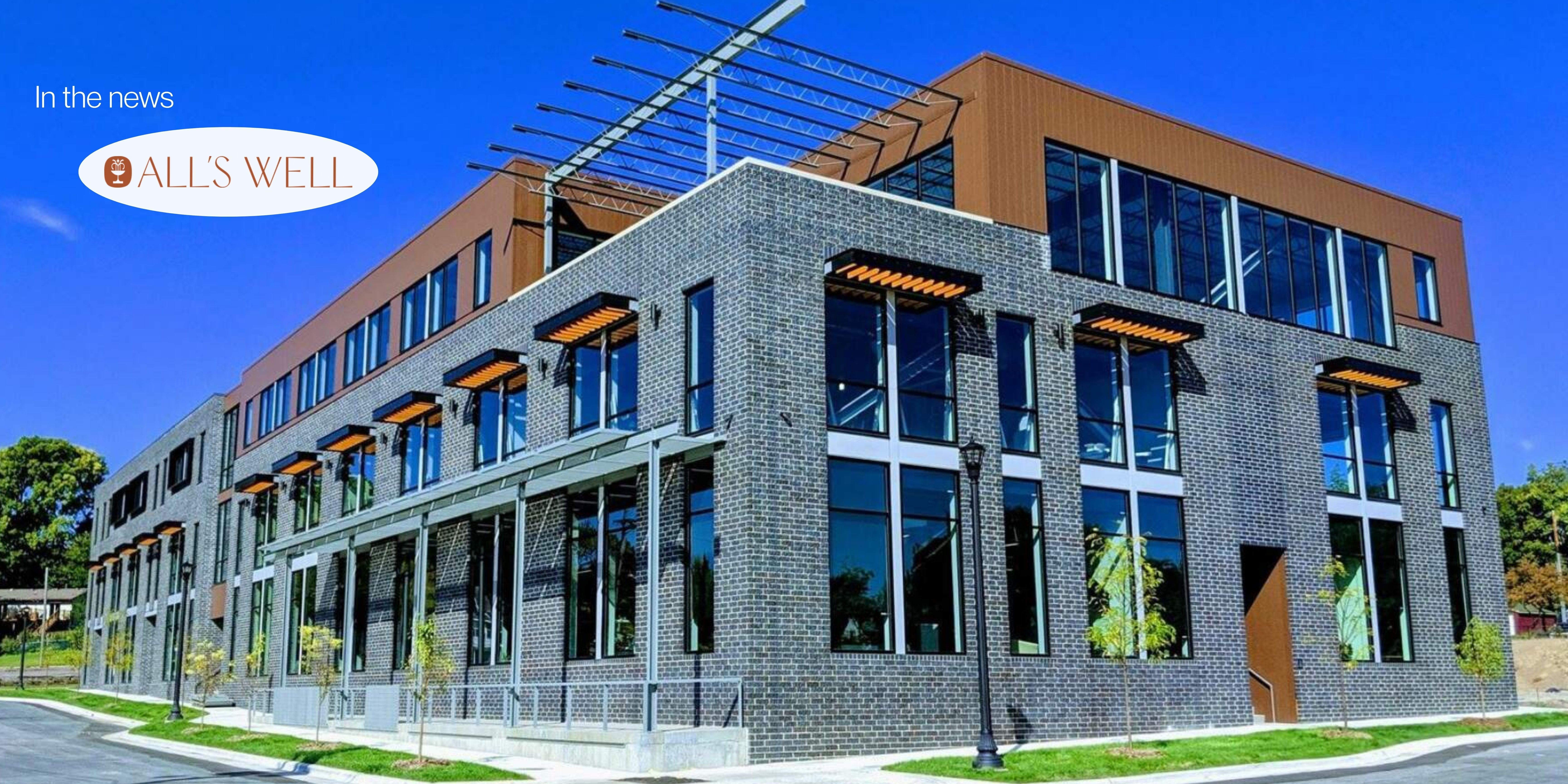
That’s the idea behind All’s Well Sauna and Waterspa in Minneapolis’ Harrison neighborhood. The “social spa,” as its founders call it, brings together saunas, cold plunges, salt therapy and a plant-bathing room.
Minnesota’s longstanding sauna culture has traditionally been viewed as an individual, meditative practice. Now, as young adults veer away from bar culture, the practice is evolving into a new form of social wellness that combines relaxation with a place to gather.
Several similar businesses, including Bathhouse and Ember, have recently opened or are scheduled to open in the coming months.
The idea builds on growing interest in wellness across the U.S. Several factors have converged in recent years: the rise of the Make America Healthy Again movement, concerns about loneliness coming out of the COVID-19 pandemic and interest in longevity and biohacking.
For All’s Well co-founder Emileigh Barnes, the goal is to give people a place outside home and work where they can spend time together without feeling pressure to accomplish something.
“We joke a lot about how Americans hate to rest, and we have tried to make it really hard to skip that part in our space,” Barnes said.
American interest in wellness continues to rise
Attention to personal wellness has steadily increased in recent years. Nearly 85% of Americans consider wellness a top priority, according to a survey by McKinsey & Co.
That awareness has manifested in several ways.
The share of U.S. adults who say they drink alcohol fell to a record low. Attendance rates at gyms rose sharply. And the share of Americans who reported meditating climbed.
For $55, visitors to All’s Well can spend two hours cycling between three saunas, a steam room, warm pool, cold plunge, Himalayan salt room and a plant-bathing room complete with sounds from northern Minnesota.
The founders are also working on a calendar of social events.
For Halloween, the spa hosted guided sauna sessions, featured a live DJ and led visitors through aufguss — a German sauna ritual that combines essential oils with choreographed towel movements that push the hot, scented air toward participants.
Sharing the experience can make talking to someone new feel easier, All’s Well co-owner Mike Kern said. It also helps that phones stay in lockers — something many people are hesitant about at first before they realize how much more likely they are to talk to other people, he added.
“When you’re in sauna or any extreme, it’s like putting your body through something, and then when you’re doing it with someone else, there’s then like a small bond that’s tied so that it’s easier to just have a conversation,” Kern said.
“If you don’t just want to sit alone quietly, you’ll start talking,” he said.
A similar concept to All’s Well was announced late last year. Bathhouse plans to open its 100-person sauna in Minneapolis’ North Loop in late 2027.
More recently, it was announced that a similar business called Ember will open in the same neighborhood as Bathhouse.
The members-only wellness and social club plans to include a coworking space, fitness center and a thermal lounge that incorporates elements similar to All’s Well and Bathhouse. The space will also include a cafe and restaurant that will be open to the public at different times during the day.
Getting the business off the ground
Co-founders Barnes and Caity Beaudoin began discussing the business in October 2023. After years in corporate jobs, they wanted to use their design backgrounds to create a business centered on community. They later brought Kern into the venture.
Barnes’ and Kern’s difficult path to parenthood and Beaudoin’s cancer diagnosis in 2024 helped inspire the founders’ vision for a social spa built around connection.
“The social part isn’t an add-on for us. It’s the whole point,” Barnes said.
Getting from the idea to opening took about three years.
The founders spent about a year talking with banks about financing and began applying for a Small Business Administration loan in July 2025. They expected to complete the process by November that same year.
Then the federal government shutdown delayed their financing. Changes in a bank’s requirements created another hurdle before they secured funding in February 2026 after putting their home on the line as collateral.
They completed construction with the $5 million SBA-backed loan and opened in October.
The founders chose the loan route over venture capital because they wanted to focus on their customers and local community, not investors.
That approach was tested soon after opening. After guests said the floors were too slippery, the founders decided to close for two days and redo them, losing out on whatever revenue they might have made.
But they believe in their business model.
“We’ve seen venture capital come and go. We understand the process, and the compromises we would have to make in order to do that were not compromises we wanted to make,” Barnes said.